



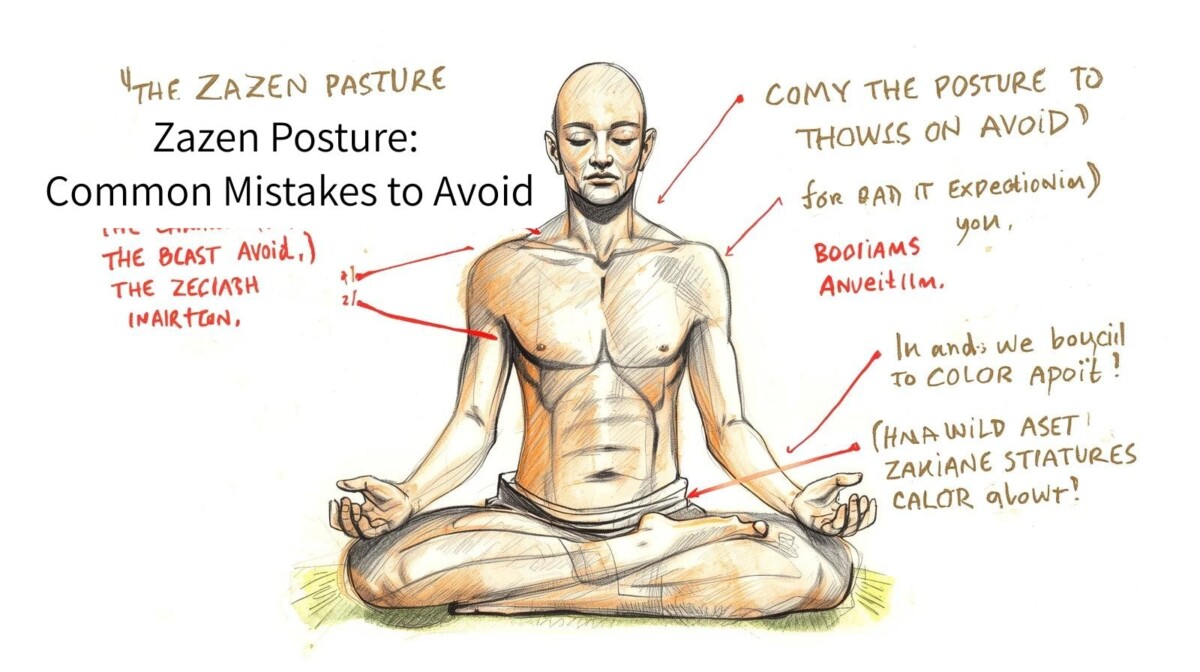
Zazen Posture: Common Mistakes to Avoid
Introduction: Posture as the Silent Teacher
In Zazen, posture is everything — and yet, it’s often misunderstood.
Unlike other forms of seated meditation where comfort is the top priority, Zazen encourages alert stillness: not stiff, not slack — but balanced.
Why?
Because your posture shapes your presence. And your presence is the practice.
In this article, we’ll explore the most common mistakes people make in Zazen posture — and how to correct them — with a modern understanding of ergonomics and somatic mindfulness.
Why Posture Matters in Zazen
Zazen is not about achieving a mystical state.
It’s about fully arriving in the body — breath by breath, moment by moment.
Proper posture helps you:
-
Maintain awareness without physical strain
-
Stay grounded for longer sitting periods
-
Align your “digital spine” (a concept now recognized in ergonomic studies)
-
Cultivate somatic awareness — tuning into your body as a meditation object
-
Reduce the likelihood of injury or numbness
As many Zen teachers say:
“The body practices before the mind understands.”
5 Common Zazen Posture Mistakes (and How to Fix Them)
1. Slouching or Collapsing the Spine
Why it’s a problem: Disrupts breathing and mental clarity.
Fix: Imagine a string gently pulling the crown of your head upward. Your spine should be long, but not rigid. Try a small cushion under your sit bones to tilt the pelvis forward naturally.
🧠 Pro Tip: Use a mirror or video yourself — it helps build postural awareness.
2. Over-Tensioning the Shoulders
Why it’s a problem: Tension accumulates, leading to discomfort and distraction.
Fix: On each exhale, consciously drop the shoulders. Think of your arms as resting weights, not active muscles.
🧘 Bonus Tip: Use body scanning before each session to check for tight zones.
3. Head Tilting Forward (Tech Neck)
Why it’s a problem: Modern “screen posture” sneaks into Zazen, creating neck strain and foggy attention.
Fix: Slightly tuck your chin as if holding a small peach under it. Align your ears over your shoulders.
🔍 Modern Insight: Combat the “digital spine” — the forward-head slump caused by screens — by realigning through neck stacking exercises.
4. Improper Leg Support
Why it’s a problem: Numbness or pain in legs = loss of presence.
Fix: Use a cushion (zafu) with adequate height. Knees should be lower than your hips. Try seiza benches or even a chair if needed.
💡 Remember: Zazen isn’t about suffering. Comfort and alignment support awareness, not weaken it.
5. Eyes Closed Too Tightly or Open Too Wide
Why it’s a problem: Eyes that are fully shut encourage daydreaming; eyes wide open create tension.
Fix: Keep your eyes half-open, gently resting your gaze 3–6 feet ahead, unfocused.
👁️ Trend Watch: This relaxed gaze mirrors techniques in biofeedback meditation and open-monitoring awareness — both known to enhance calm.
Trend Connection: The Rise of Embodied Mindfulness
As meditation grows mainstream, so does interest in the body’s role in awareness.
Recent trends include:
-
Somatic meditation (used in trauma therapy and coaching)
-
Ergonomic mindfulness (how we sit, stand, and work mindfully)
-
Biofeedback tools to track posture, breath, and stress levels
-
Digital posture correctors (wearables for spinal alignment)
Zazen is already ahead of these trends — teaching the ancient art of embodied stillness.
Final Thoughts: Sit Like a Mountain, Flow Like a River
Correct posture in Zazen is not about perfection.
It’s about intention and awareness.
So whether you sit for 5 minutes or 50, take a moment to settle:
-
Align your body
-
Soften your gaze
-
Feel the breath
And let your posture become the practice.
Because when the body is aligned, the mind often follows.
💬 Need help adjusting your Zazen posture? Visit zen-for-life.com for beginner guides, posture diagrams, and mindful sitting tips to support your daily practice.

この記事へのコメントはありません。